
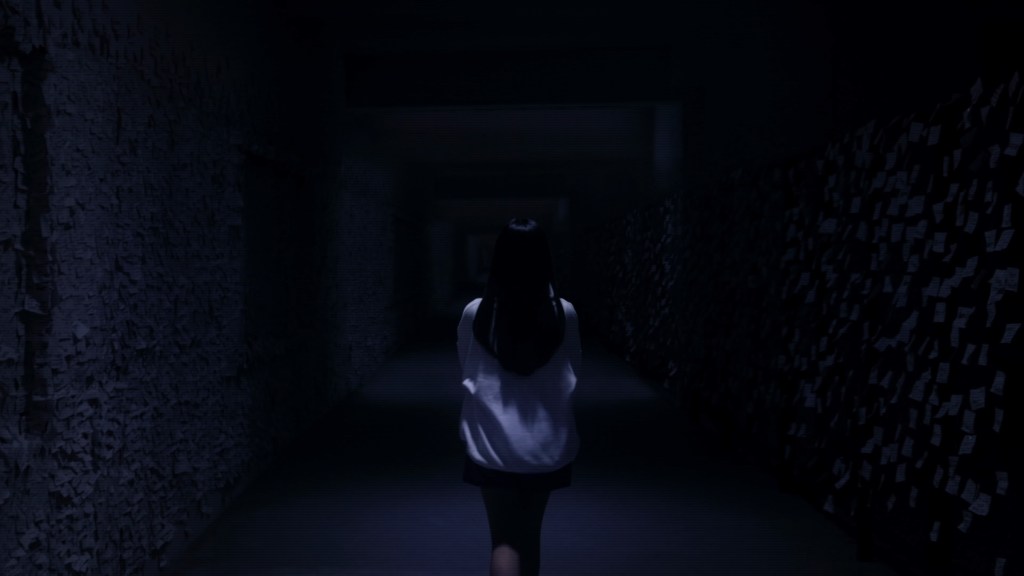
I suffer from depression. I’ve lived with it for as long as I can remember, even before I knew what to call it. It’s always there, sometimes quiet, sometimes deafening, constantly reminding me of every negative thought and whispering that the world would be better off without me. It feels as though my worst tormentors live rent-free inside my mind, making sure I never forget how worthless they want me to believe I am.
So I learned to wear a mask. I pretended to be “normal” because I believed no one cared. I smiled when I wanted to cry. I acted like I was fine while I was falling apart inside. I hid my tears where no one could hear them and buried my pain in the deepest corners of my mind. Over time, I became a ghost of myself, a living dead girl moving through the world while silently screaming for the pain to end, for the voices to stop, and to finally feel normal.
Growing up, mental health wasn’t discussed with compassion or understanding. It was mocked. People who struggled were treated as though they were defective, somehow less than “normal.” The way mental illness was portrayed in media and throughout history only reinforced that belief. If you were diagnosed, the image people painted wasn’t one of healing or support. It was padded rooms, straightjackets, and being locked away. That stigma planted seeds of fear and shame inside me. It built walls around my heart, isolated me, and kept me trapped for years in a prison of my own making, terrified to admit that I needed help.
That is one of the reasons Anita’s story resonated so deeply with me. I wasn’t just watching a fictional character struggle; I was looking at an extension of my own pain. Although our experiences were different, they shared enough similarities that, for the first time in a long while, I felt seen as a person rather than as a monster.
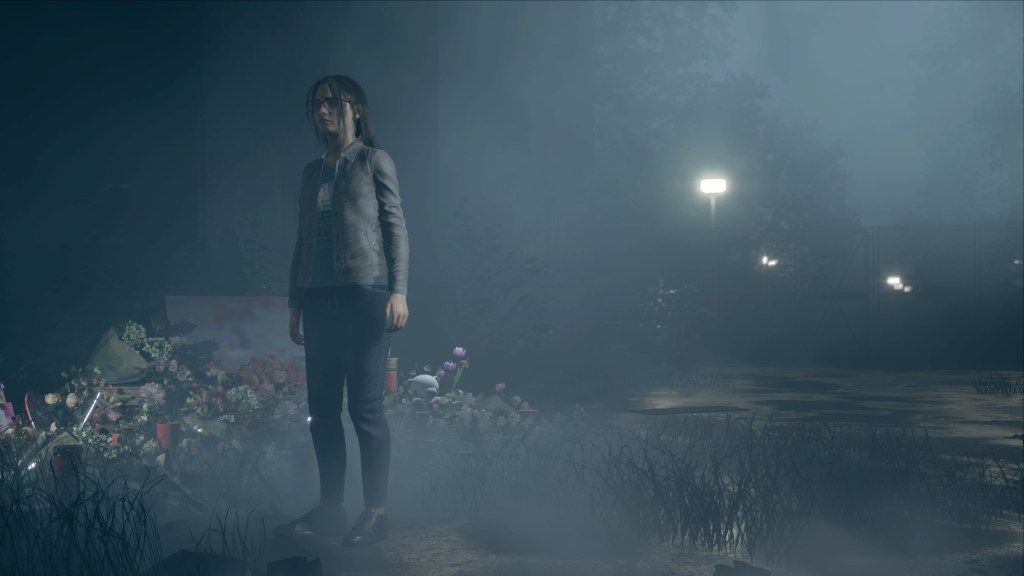
When the game begins, Anita knows exactly why she’s returning to the abandoned apartment complex where Maya died, even if the player doesn’t understand her motivations yet. The truth unfolds slowly, piece by piece, until the bathroom door finally opens. Seeing the hateful words covering the walls immediately brought back memories of the cruel things that had been said to me, along with the hateful words I had repeated to myself for years.
As I journeyed through the fog-filled halls, surrounded by lingering trauma and resurfacing memories, I found myself confronting emotions I had buried long ago. The game invited me to expose wounds I rarely allow anyone else to see, even while I was streaming it. What I expected to be a psychological horror game became something much more personal. It felt like an unexpected therapy session: painful, emotional, and ultimately validating. Instead of simply frightening me, it reminded me that trauma leaves echoes, but it also showed me that facing those echoes can become part of healing.
The only enemy Anita encounters after she bravely opens those doors is Sakura Head. She stalks Anita throughout the twisting corridors as you search for items and the correct path to escape. She is always lurking behind the next door, seemingly waiting to end Anita’s suffering.
But I think Sakura Head’s purpose is something entirely different.
I believe Sakura Head represents the lost souls who died by suicide within the apartment complex, manifesting into a being determined to stop the cycle rather than continue it. By rewinding time whenever Anita dies, whether at Sakura Head’s hands or by her own actions, it feels as though Maya and the others are desperately trying to help Anita understand that tomorrow always brings another sunrise. No matter how hopeless today may feel, another chance is always waiting.
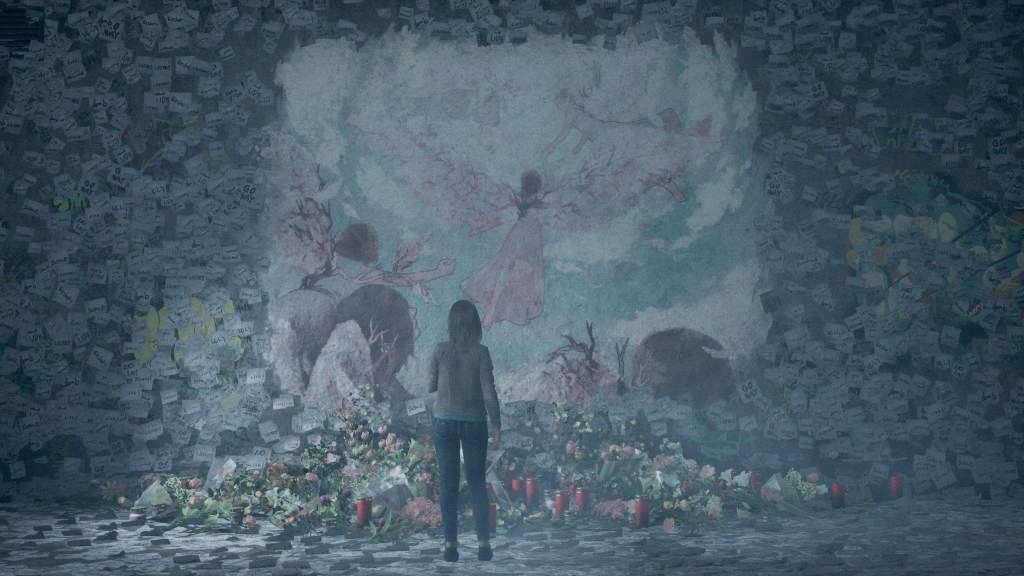
That is why Maya’s art became such a beacon of hope and understanding for Anita. I believe Maya wanted Anita to understand her pain while also helping her see the light reflected through her artwork. Throughout the game, it felt as though Maya was walking beside us as we tried to make sense of everything. Every time we discovered another piece of her art or another item she left behind, it felt like she was silently guiding us, reassuring us that she was still there and that someone cared.
That’s why Silent Hill: The Short Message affected me so deeply. It wasn’t just a game; it was a reflection of my own journey. It tore down what remained of the walls I had built and held up a mirror to the child I used to be, the frightened little girl who couldn’t understand why her mother hurt her or why her peers constantly tore her down. Playing it reminded me of how far I’ve come and how much strength it has taken to reach this point.
Not every day is good, and not every day is bad. Most days feel as though they’ve been thrown into a blender, chaotic mixture of hope, fear, sadness, and perseverance. Stress has a way of turning up the volume on everything, making those difficult days even harder to navigate. There are still moments when I feel broken, like a porcelain doll that’s been shattered and glued back together, or when I wonder if I’ll ever feel “normal.”
But therapy has given me the tools I need to keep moving forward. Sometimes those tools are as simple as admitting that I’m hurting or acknowledging that I’m having thoughts of wanting to die instead of hiding them in silence. Those conversations are difficult, but they keep me alive, and they remind me that asking for help is not weakness; it is survival.
My journey is one shared by millions of people. Although each of us carries different burdens, none of us has to carry them alone. That is what Silent Hill: The Short Message reminded me. Beneath the horror, the monsters, and the trauma is a message of hope: healing is possible, tomorrow is worth reaching for, and even in our darkest moments, we are never truly alone.



Leave a Reply